
Property readiness · 3 min read
What belongs in a useful property record?
A practical starting point for organizing building information before it is urgently needed.
Start with the building
Record the address, building use, approximate age, known renovations, and the person responsible for updates. Keep the capture date visible so future readers know what the record represents.
Connect the visual and measured record
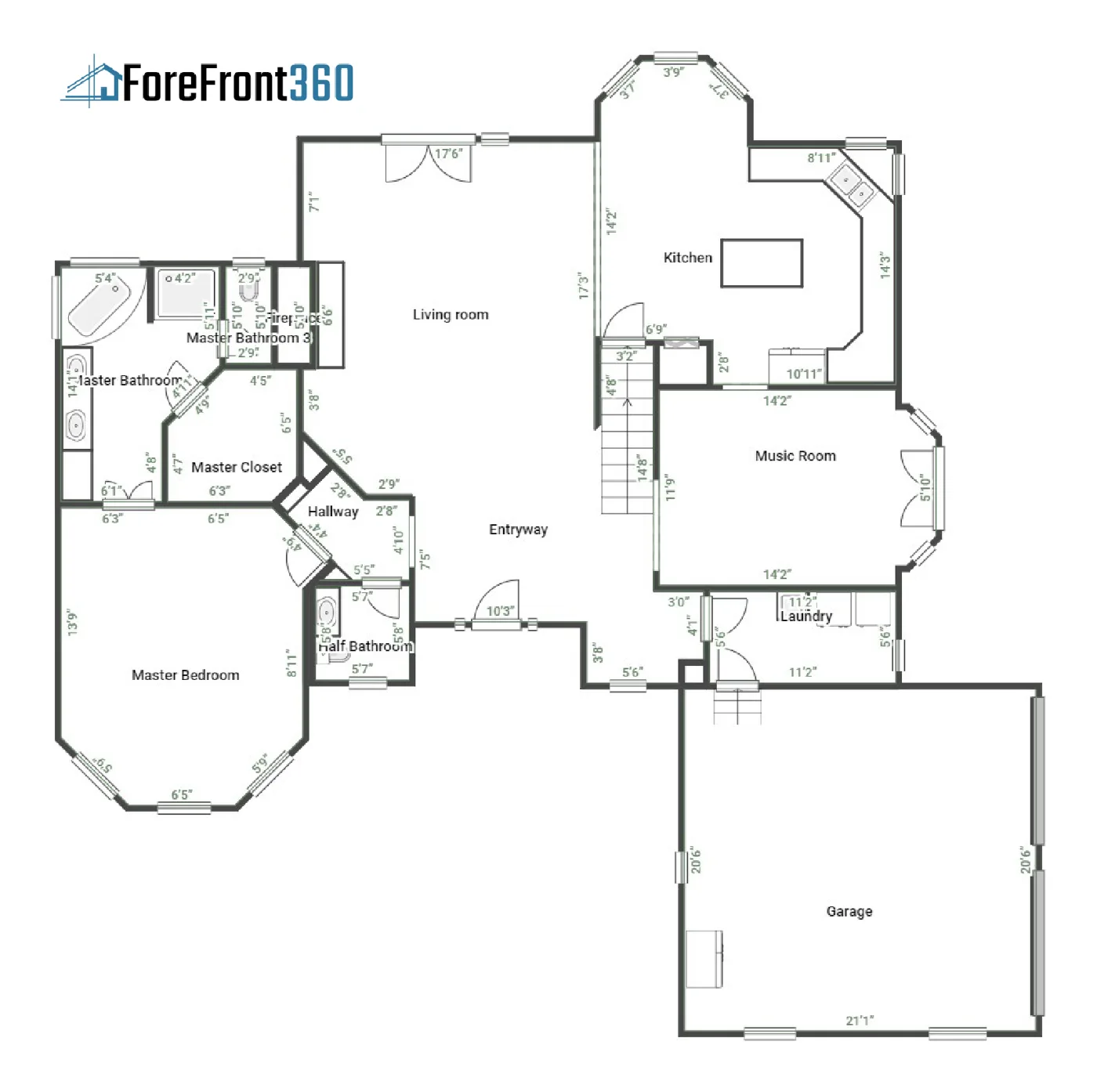
Floor plans explain layout and dimensions; a walkthrough shows captured finishes and visible conditions. An optional Aerial Imaging Report (AIR) adds roof and surrounding-site context, available historical comparisons, and indicators for closer review. Keep source dates visible so future reviewers can distinguish what was documented before and after a change.
Connect equipment details to a location
Scope virtual tags for selected equipment so a technician can connect a label photograph, available model and serial numbers, and maintenance notes to the correct unit. Agree on access and update responsibilities. A tagged record helps locate information but does not certify the equipment or reveal concealed conditions.
Keep the record current
Review the record after remodeling, reroofing, or major equipment replacement. Identify which areas need updated capture, retain earlier dated versions, and decide who is responsible for updates and access. Confirm available downloads and keep copies of the files delivered to you.
Use a simple handoff check
Ask someone who did not create the record to locate a room, its available measurements, and a piece of equipment. If they cannot find the information easily, improve the naming and organization before adding more files.
Prepare a starting scope
List the buildings, who needs access, the questions they need answered, and the records already available. Separate facts that are documented from details that are unknown. Your provider can use that list to propose a practical capture scope.