Take control of your property data
Maintain an organized record of your property instead of relying solely on records collected by other parties after an event.
Safeguard Property Profile
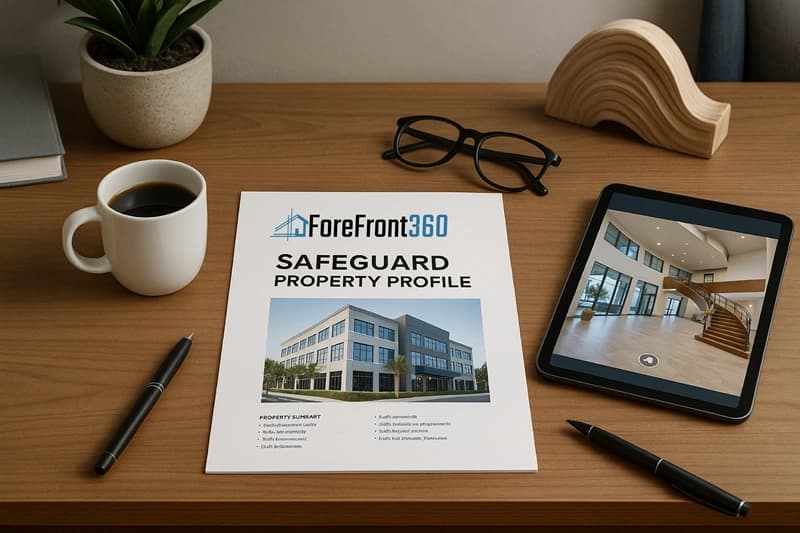
Create a comprehensive, dated record of your commercial property or home while it is intact—giving you, your insurance team, adjusters, contractors, and other professionals a clearer starting point for coverage, claims, repairs, and recovery.
Your property. Your data. Your record.
The value of pre-loss documentation
After a major loss, parts of a building may be damaged, altered, inaccessible, or completely gone. Measurements, finishes, equipment, layouts, and other details that were obvious before the event can suddenly become difficult to establish.
Safeguard creates a documented starting point while that information is still available.
You cannot go back after a loss and document the property exactly as it existed before the loss.
Take control of the information
Insurance companies, adjusters, contractors, inspectors, and other professionals may document your property for their own purposes. Safeguard gives you an organized property record created for you—before the information is needed.
Instead of beginning after a loss with scattered photographs, old plans, memory, or documentation created by another party, you can begin with information you already maintain about your property.
Your property record should not begin after the loss.
Why property owners create a Safeguard Profile
Maintain an organized record of your property instead of relying solely on records collected by other parties after an event.
Provide a dated reference for documented layouts, measurements, finishes, systems, equipment, imagery, and other captured property information.
Shared property information can help reduce repeated questions, information requests, avoidable site visits, and uncertainty about basic building details.
Measured and visual documentation gives owners, adjusters, estimators, and contractors a common reference when discussing quantities, locations, finishes, and repair requirements.
Better documentation can help establish a clearer factual basis for claim and repair discussions when pre-loss property details matter.
When core property information already exists, teams can spend less time recreating basic building information and more time determining what must be repaired, replaced, or restored.
After a loss
Safeguard does not determine coverage or guarantee a claim outcome. It provides documented property information that can support the people responsible for evaluating, estimating, repairing, and managing the property.
For commercial properties
A major property loss can involve ownership, facilities, risk management, insurers, adjusters, contractors, estimators, architects, engineers, and other stakeholders. Those teams work more effectively when they are not starting from different versions of the property.
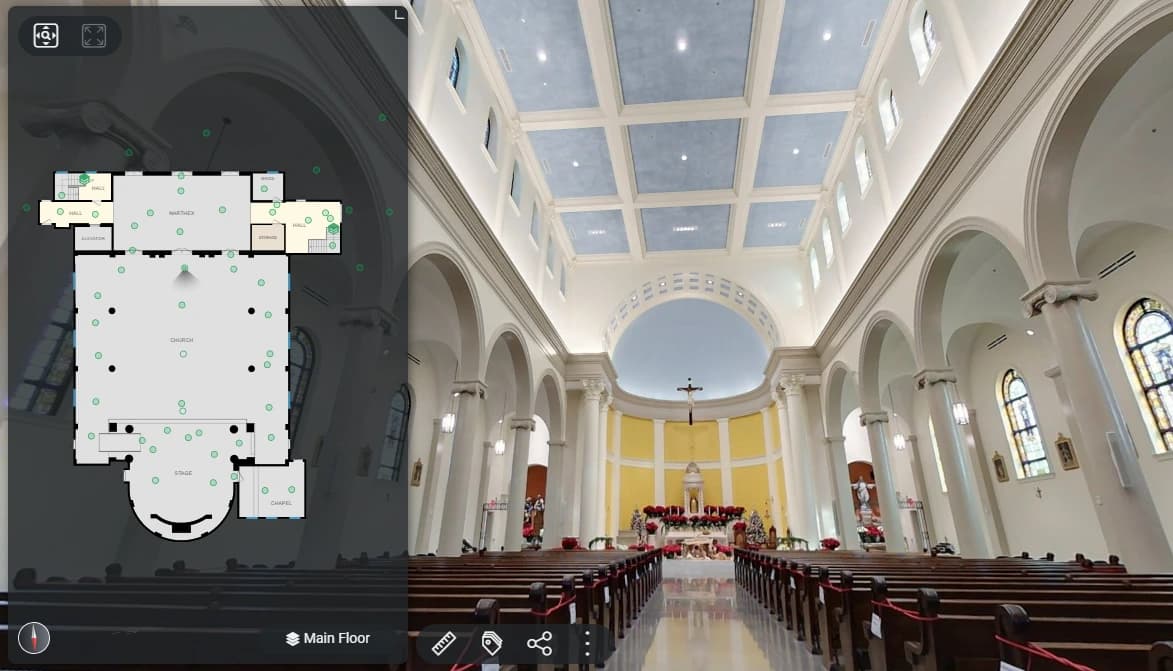
Establish a dated pre-loss reference before damage changes the building.
Give estimators and contractors measured and visual information to help develop and compare repair scopes.
Make layouts, visible conditions, building systems, and other captured information easier to reference across teams.
Preserve building knowledge when employees, facility managers, or vendors change.
Provide current property information that can support underwriting, renewal, risk, and coverage discussions.
Create a repeatable documentation standard across multiple buildings or locations.
Reuse the same property information for planning, estimating, design, and contractor coordination.
The property may be insured for one purpose, maintained for another, renovated for another, and repaired after a loss. Safeguard creates information that can remain useful across all of them.
Discuss a Commercial Property Profile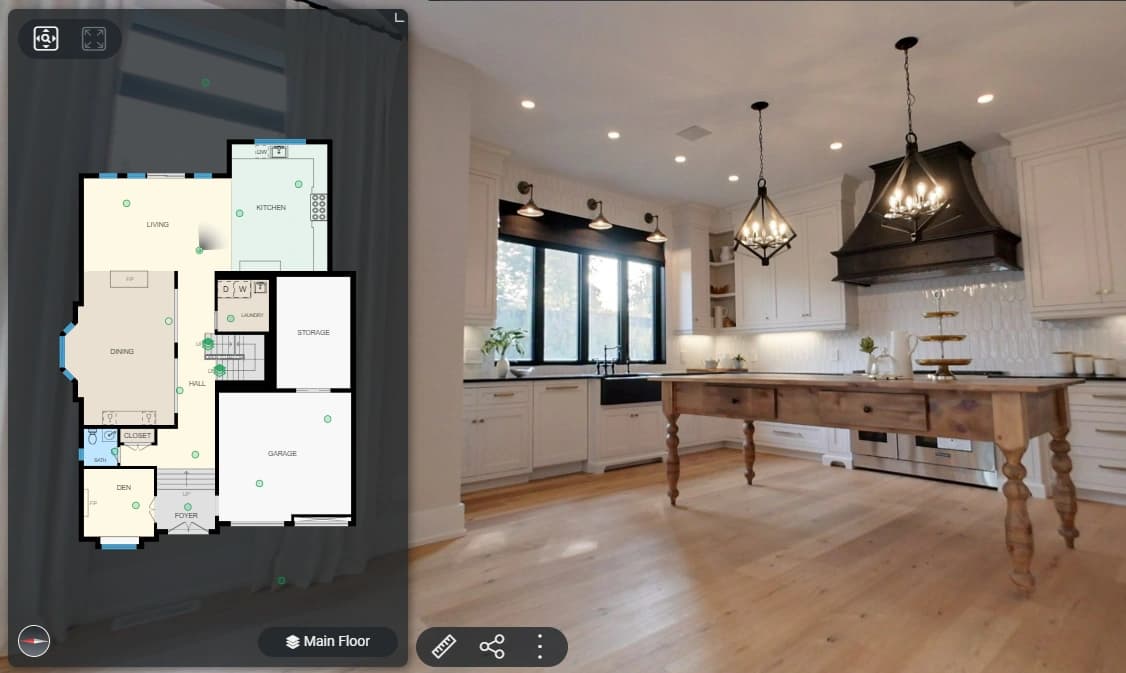
For homeowners
After major damage, homeowners may be asked detailed questions about rooms, dimensions, finishes, systems, upgrades, and the condition of the property before the event. Safeguard creates a detailed record while the home is intact.
Preserve a visual and measured reference of the property while it can still be documented normally.
Maintain information about remodeled spaces, finishes, systems, and other documented improvements.
Give contractors, estimators, adjusters, and other professionals better information about the home they are discussing.
Keep important property information organized rather than trying to assemble it after the event.
Provide property documentation that can help inform discussions about the home and its characteristics.
Reuse floor plans, virtual walkthroughs, measurements, and property information for renovations, maintenance, contractors, and future planning.
When the unexpected happens
Property information is captured and organized while the building is intact.
Damage may change or remove information that was previously visible.
The pre-loss record can be reviewed alongside documented post-loss conditions.
Adjusters, estimators, contractors, and owners can use available measurements and property information when discussing repairs.
Better organized information can support coordination as the property moves toward repair and restoration.
Safeguard does not replace inspections, professional estimates, policy interpretation, engineering, or claim decisions. It provides a stronger information foundation for those processes.
The property record
Your proposal identifies what is included. Select the documentation that fits your property, intended uses, and access requirements.
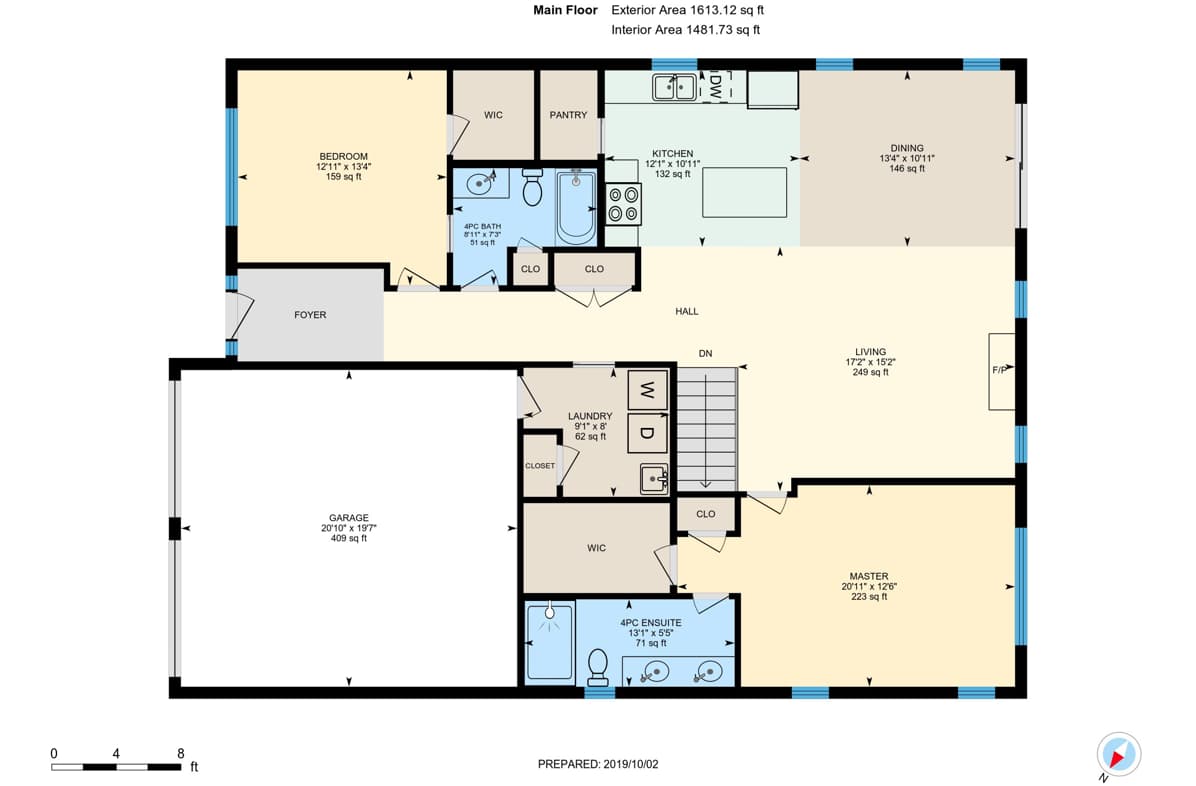
Room relationships, dimensions, floor-area information, and an organized representation of the captured property.
Navigate documented spaces remotely and revisit captured conditions without relying solely on individual photographs. Hosting duration and sharing terms are confirmed in your proposal.
Establish visual context for finishes, spaces, conditions, and building features within the agreed accessible areas.
Connect available photographs, make/model/serial information, maintenance notes, or other agreed information to the physical equipment location. Confirm the asset list and information fields before capture.
Add available roof, exterior, site, historical, and property-level context where applicable. Coverage, capture dates, permitted sharing, and licensed use vary by source.
Bring agreed property information together so it is easier to reference for insurance, facilities, repairs, projects, and planning. Agree on file handoff, access, and update responsibilities.
Value beyond the claim
Safeguard is designed as a useful property record—not simply an insurance file. The same documented information can support decisions throughout ownership.
Capture the property once, then put the information to work wherever it is relevant.
Material renovations, reroofing, major equipment replacements, additions, or other significant changes may require portions of the property record to be updated.
How it works
We identify the buildings, spaces, systems, intended uses, access requirements, and appropriate deliverables.
ForeFront360 documents the agreed property information and creates the measured, visual, and property records included in the scope.
Your team receives the agreed deliverables and understands how the information can be accessed and used.
When significant property changes occur, determine whether affected portions of the record should be updated.
Your questions, answered
Clear expectations about documentation, access, and its role in insurance and recovery.
No. Coverage and claim decisions depend on the policy, circumstances, responsible parties, and applicable professional evaluations. Safeguard provides pre-loss property documentation that can support clearer discussions about the property and repair scope.
A dated pre-loss record can provide measurements, layouts, visual documentation, equipment information, and other captured details that may help owners, adjusters, contractors, and estimators understand what was documented before the event.
Safeguard cannot control claim timelines. Having organized property information available before a loss can reduce some information gathering and repeated questions that otherwise may occur after an event.
No. Safeguard is property documentation. It is designed to provide better information for the qualified professionals responsible for those decisions. It does not reveal hidden conditions.
No. The same floor plans, walkthroughs, measurements, imagery, equipment information, and property records can support facilities, maintenance, renovations, contractors, emergency planning, insurance renewals, and other property decisions.
Significant renovations, additions, reroofing, major equipment replacements, or other material changes may warrant an update to the affected portion of the property record. Retain earlier dated versions so the history remains clear.
Yes. For portfolios, ForeFront360 can discuss a repeatable documentation approach across locations while accounting for differences in building use, access, and required outputs.
The appropriate scope depends on the property, but measured layouts, visual documentation, significant finishes, systems, equipment, improvements, and other relevant building information can provide useful pre-loss context.
No. Coverage, pricing, and claim decisions remain with the insurer and depend on the policy and property. The profile supplies documentation to support those conversations.
Discuss file handoff, tour access, permissions, and hosting terms before transferring the record. Remove sensitive owner information and confirm which documentation can be shared; access does not automatically transfer.
Your proposal confirms the included spaces, outputs, file handoff, tour hosting, permitted users, and sharing terms. Equipment tags, aerial information, specialist drawings, and models are confirmed separately. Control of your property record does not mean unrestricted rights to licensed imagery or indefinite hosting.
Don’t wait until the information is gone
A property can be documented today in ways that may no longer be possible after major damage. Safeguard gives you a pre-loss property record that can support insurance, claims, repairs, facilities, projects, and long-term ownership.
Commercial properties and residential homes. Individual properties or portfolios.